IELTS Preparation in 2 Weeks: An Honest Guide to Prioritising What Actually Moves Your Score
Most guides for IELTS preparation in two weeks are a 30-day plan compressed into 14 days. They tell you to practise all four skills every day, memorise vocabulary lists, and work through grammar exercises. The advice is not wrong. It is built for a reader with three months ahead of them.
If you have two weeks before your IELTS test, you need to know what to prioritise, not what to do if you had unlimited time. You also need to know, honestly, what will not change in a fortnight no matter how hard you work.
This guide answers both questions, starting with the one most preparation guides refuse to ask.
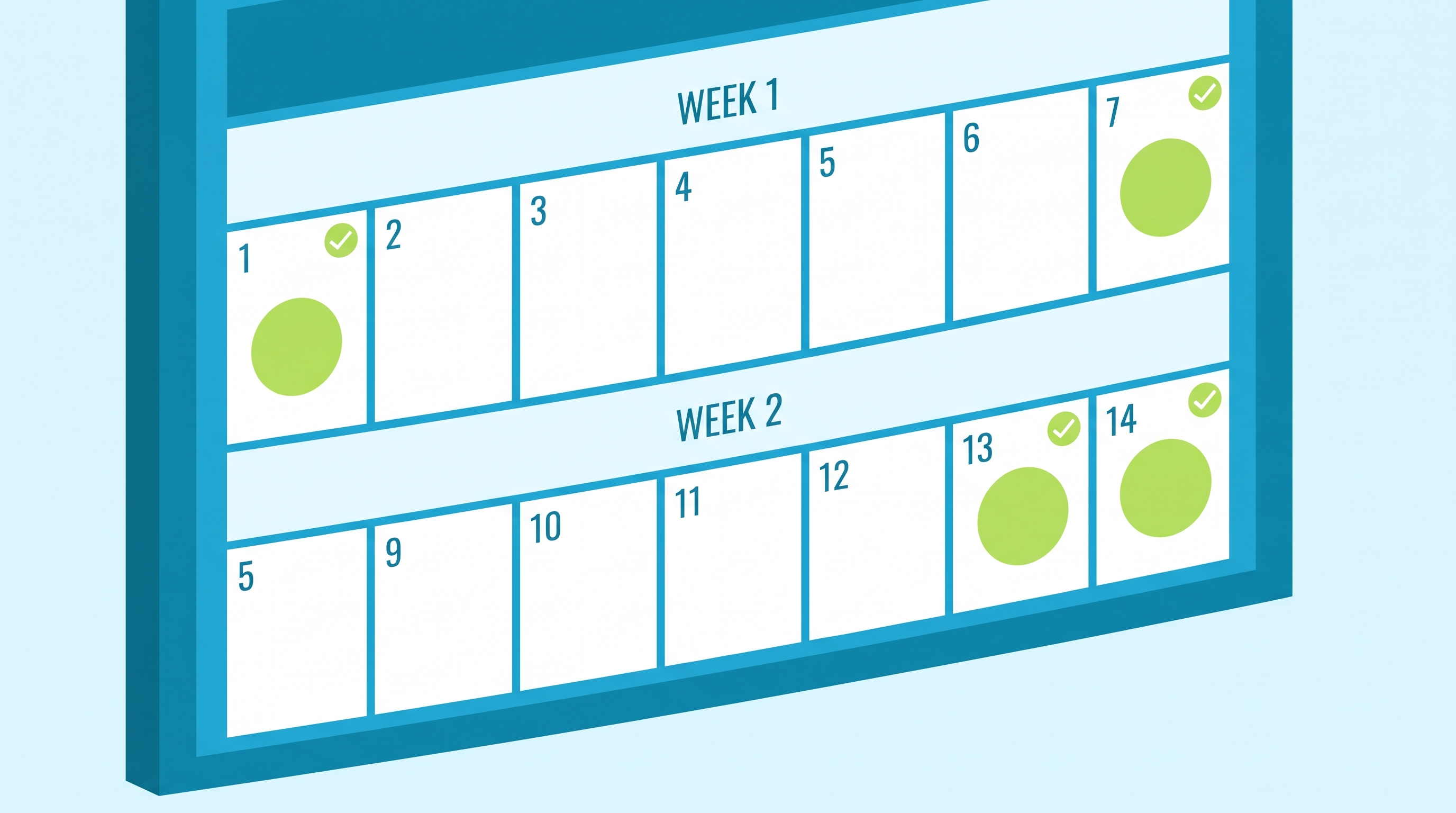
Can You Pass IELTS in Two Weeks?
Yes, if your target band is within reach of where you are now. The official IELTS band descriptors, jointly published by the British Council, IDP: IELTS Australia, and Cambridge English, define what separates each band level in terms of measurable skill. A candidate already performing near Band 6 can realistically reach Band 6.5 in two weeks of focused, technique-driven preparation.
The honest question is not “Can you pass?” but “Is your target band within 0.5 to 1.0 of where you currently score?” If yes, IELTS preparation two weeks can work. If the gap is larger, 14 days of focused work will give you a better result than no preparation, but it will not transform your overall score.
Know your starting point before you begin. Everything in this guide is built from there.
What Score Can You Realistically Aim For?
The realistic ceiling for improvement in two-week IELTS preparation depends on which skill you are targeting. Listening and Reading scores can shift by up to half a band through technique work alone, because both skills respond to procedural changes: scanning strategy, time management between sections, and predicting the category of answer needed before a recording begins.
Speaking and Writing respond more slowly. The band descriptors place Band 6 Speaking as containing “some hesitation” and “some errors,” while Band 7 requires language “flexible enough for most purposes.” Closing that gap takes longer than two weeks because the underlying habits of Fluency and Coherence and Grammatical Range and Accuracy are deeply ingrained. Small gains in structured Part 2 delivery are possible. Significant improvement in Lexical Resource or Pronunciation is not realistic in this window.
Which IELTS Skills Respond Fastest to Short-Term Preparation?
Ranked by how quickly they respond to focused work in a two-week window:
- Listening and Reading. Both are technique-responsive. Your score depends heavily on procedural skills: managing time between sections, skimming for structure before scanning for answers, and anticipating what information you need before a recording begins. These skills respond to deliberate practice within days.
- Speaking. Fluency and Coherence is more trainable than Lexical Resource or Pronunciation in a short window. Candidates who drill structured Part 2 responses consistently see improvement in coherence marks within a week because the structure reduces cognitive load under exam pressure.
- Writing. Small gains in Coherence and Cohesion and Task Response are achievable through structural practice. Lexical Resource and Grammatical Range and Accuracy reflect patterns built over years and will not substantially shift in a fortnight.
What to Stop Doing Immediately
When you have 14 days, what you stop doing matters as much as what you start. Four things to set aside now.
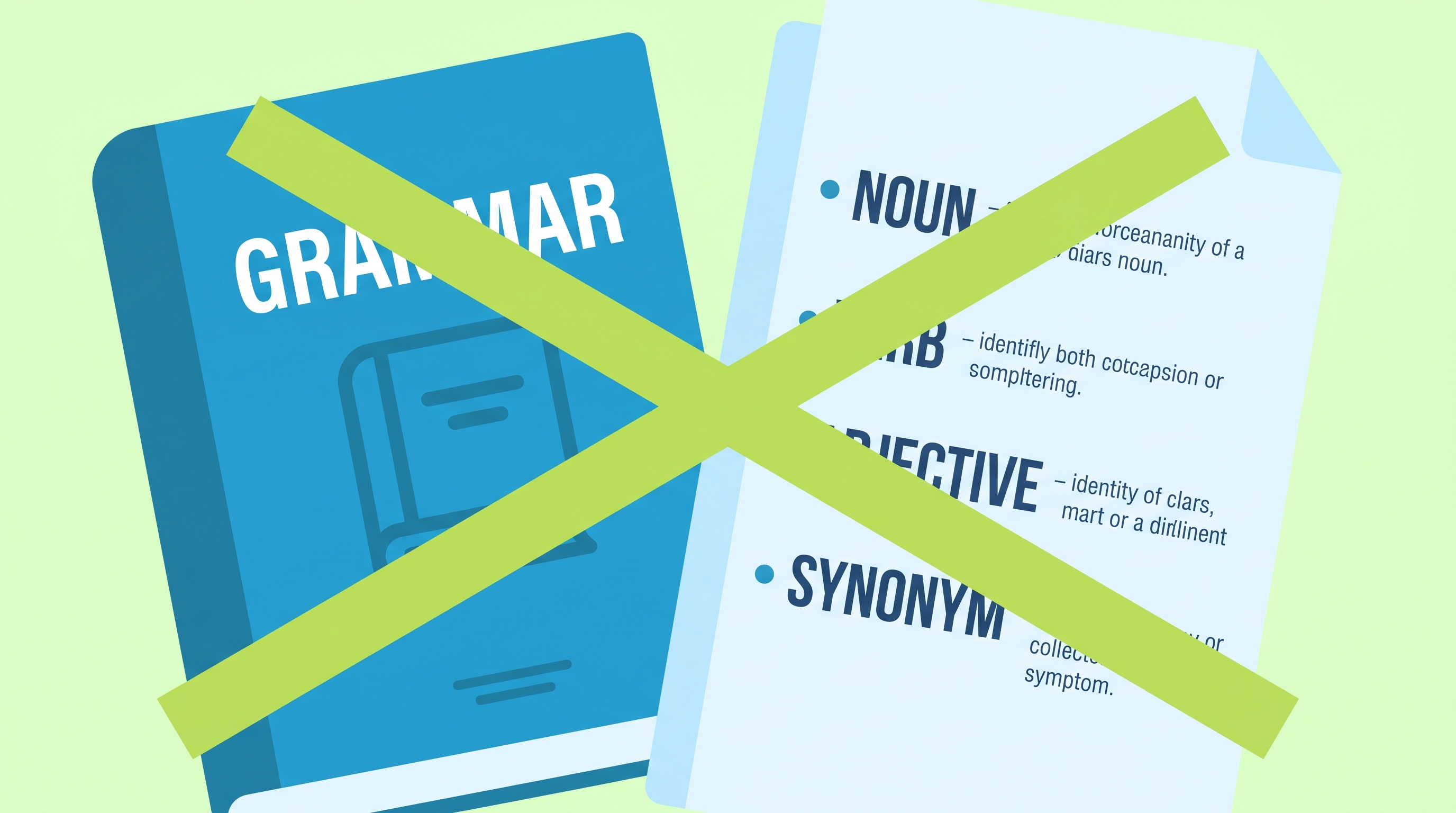
Vocabulary list memorisation. Lexical Resource is assessed on whether your word choices are natural and well-deployed in context, not on whether you have memorised formal synonyms. Passive list study does not produce active retrieval under exam pressure.
Grammar drills. Grammatical Range and Accuracy reflects patterns developed over years. You will not rewrite them in two weeks. Practise producing clear, natural sentences you can reliably deliver under pressure.
Reading more IELTS tip articles, after today. Consuming advice competes with the practice time that actually changes scores.
Running practice tests without reviewing errors. Completing timed tests without studying why you got answers wrong is the most reliable way to repeat the same mistakes on test day.
How to Build Your 14-Day Schedule for IELTS Preparation 2 Weeks
A structured schedule divides into two clear phases.
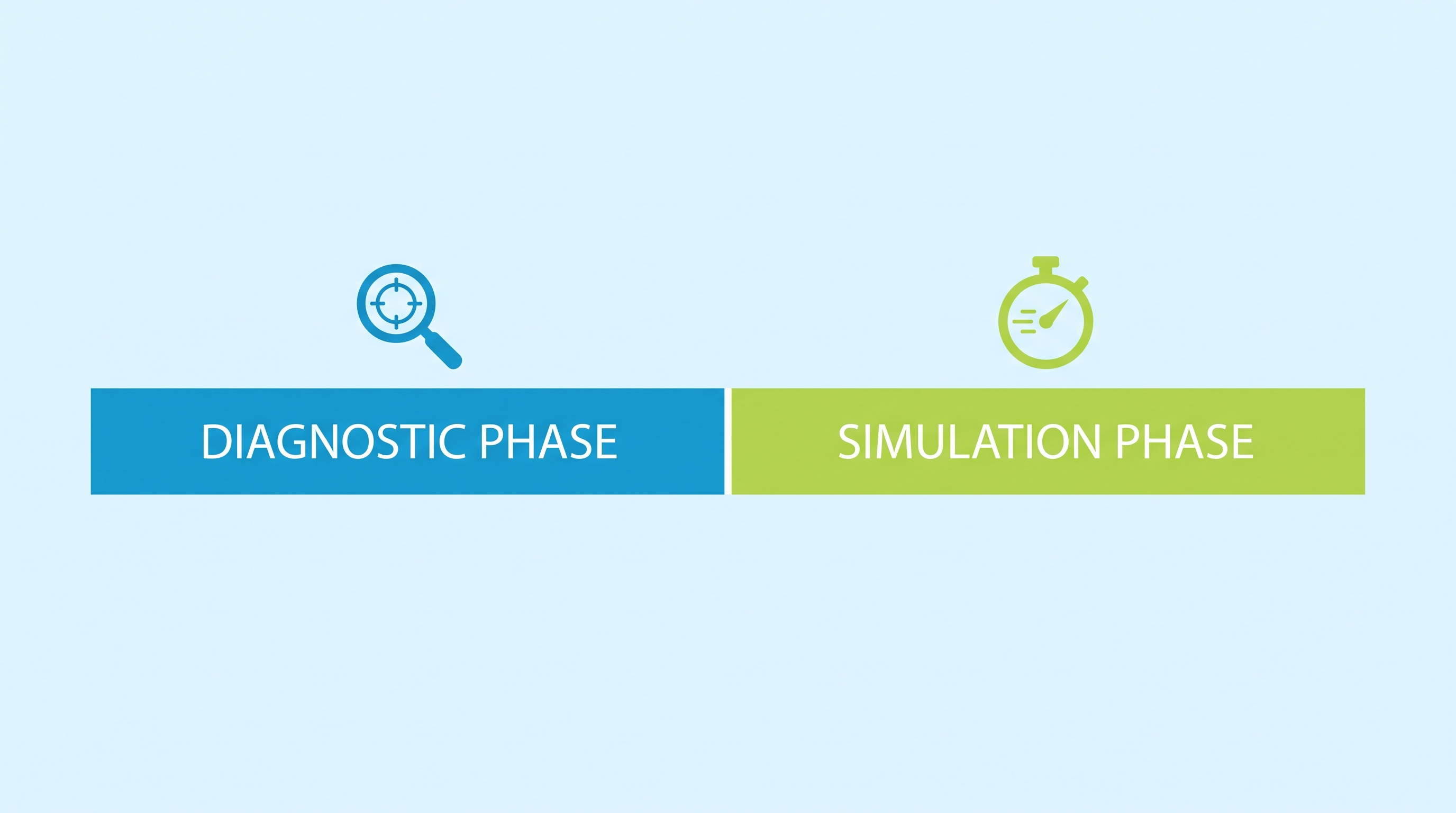
Week one: diagnostic and technique
- Day one: complete one full-length practice test under timed conditions.
- Day two: review every error and record which skill and question type caused each wrong answer. This tells you exactly where your technique gaps are.
- Days three to seven: do targeted technique work only. If your Listening errors cluster around multiple-choice questions, practise that type exclusively. If Reading errors concentrate in the last ten minutes, practise time allocation.
Week two: timed simulation and targeted revision
- Complete one full-length test every other day.
- On the days between, work on the weakest skill identified in week one.
- Day thirteen: review your most reliable strategies.
- Day fourteen: manage logistics only: your route, your ID, and your arrival time.
The Highest-Impact Listening and Reading Techniques
For Listening in two-week IELTS preparation, two techniques produce the fastest results. The first is active prediction: before each section begins, use the preparation time to read the questions and anticipate the category of answer needed (a number, a name, a place, an action). This removes surprise from the recording and lets you confirm rather than discover. The second is gap management: if you miss an answer, mark it and move on immediately. Return during the transfer time at the end. Candidates who dwell on missed items lose the items that follow.
For Reading, the distinction between skimming and scanning is the most trainable skill in a two-week window. Skim headings and topic sentences to understand passage structure. Then scan using keywords from the question, not from the passage text, as IELTS questions frequently rephrase the original. You can find the official IELTS preparation materials and sample tests at ielts.org. Our article on scoring your IELTS essay also covers how the marking criteria work in practice.
How to Improve IELTS Speaking in Two Weeks
For Speaking, target Fluency and Coherence above the other criteria. The highest return comes from drilling Part 2 responses with a consistent structure: one direct answer to the task prompt, two supporting examples with specific detail, a short closing sentence. Practise this daily for one week. The structure reduces cognitive load and produces noticeably smoother responses.
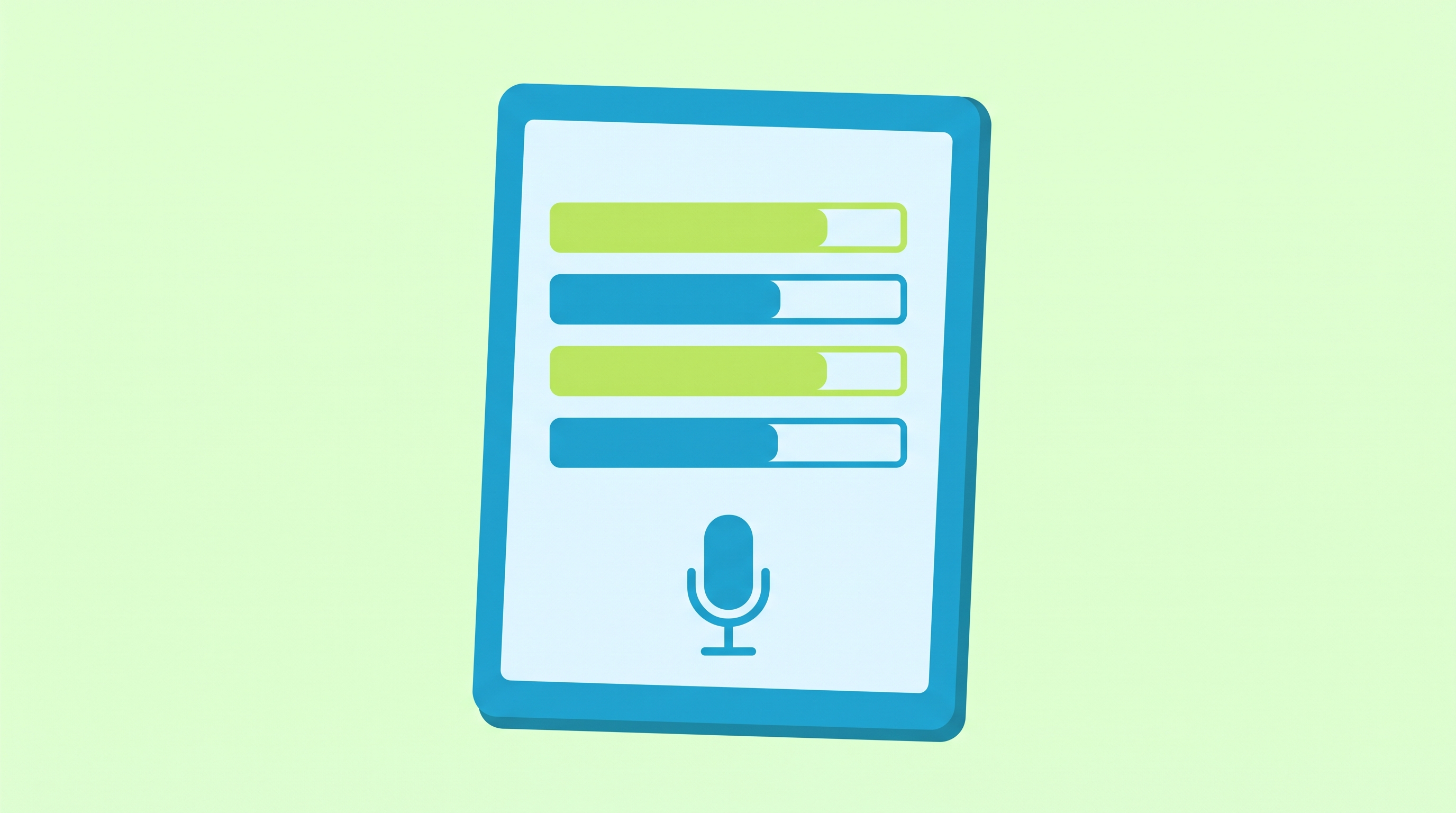
For criterion-level feedback, use a tool that scores each Speaking turn immediately against Fluency and Coherence, Lexical Resource, Grammatical Range and Accuracy, and Pronunciation. Feedback arriving 48 hours later gives you too few correction cycles in a 14-day window.
How to Improve IELTS Writing in Two Weeks
For Writing, build structural clarity in Task 2: one clear position in the introduction, two well-supported body paragraphs, a short conclusion. Use instant scoring against the four criteria to identify which one costs you the most marks. Our comparison of Band 7 versus Band 6 essay samples shows the specific differences examiners look for between the two levels. Our guide to two-part question essays covers one of the most frequently mishandled Task 2 structures.
The Most Common Mistake in IELTS Preparation 2 Weeks
The most common mistake in two-week IELTS preparation is treating all four skills as equal priorities. Candidates divide their remaining days evenly across Listening, Reading, Speaking, and Writing, giving each skill the same time regardless of how quickly each responds to short-term work.
Listening technique can shift measurably in three days of deliberate practice on a specific question type. Grammar cannot change meaningfully in three weeks. Yet candidates often spend the first week on grammar because grammar practice feels productive: it has a textbook, a set of rules, a sense of forward movement.
The honest truth is that grammar review is the lowest-return activity in a two-week window. Triage ruthlessly. Identify the techniques that will move your score most efficiently in the time available and spend the majority of your preparation there.
What to Do in the 48 Hours Before Your IELTS Test
The 48 hours before your IELTS test are consolidation time, not preparation time.

On the day before: no new practice tests, no grammar study, no vocabulary review. Do one short Speaking drill (five minutes on a familiar topic) to confirm you can produce language under pressure. Review your most reliable strategies for each section. Confirm logistics: route to the test centre, arrival time, accepted identification documents.
On the night before: sleep at your normal time. Sleep deprivation affects working memory, which affects Listening performance, Speaking fluency, and Reading speed all at once. Staying up to study is the preparation decision most likely to lower your score.
On the morning: light breakfast, familiar routine, arrive early. Arrive at least 30 minutes before your scheduled check-in to allow for registration. Your score reflects the preparation you have done, not the final hour.
With 14 days left, you cannot afford feedback that takes 48 hours to arrive. Speechful’s IELTS Speaking AI grader scores each Speaking response against Fluency and Coherence, Lexical Resource, Grammatical Range and Accuracy, and Pronunciation immediately after you speak, giving you enough feedback cycles to identify and fix your weakest criterion before test day. For Writing, Speechful’s IELTS Writing AI grader scores your Task 2 response against the four Writing criteria with sentence-by-sentence feedback, so you know exactly where to focus your remaining sessions.