Study Abroad IELTS Requirements for Uzbek Students: A Country-by-Country Guide
In 2024, over 53,000 students from Uzbekistan achieved an IELTS score of 5.5 or higher, according to official test statistics provided by the British Council and IDP. That figure has grown sharply each year since 2020, driven by one shared goal: studying at a university abroad. The IELTS requirements for Uzbek students study abroad differ by country and institution, and knowing the exact band score your target university sets is the starting point for any realistic preparation plan.
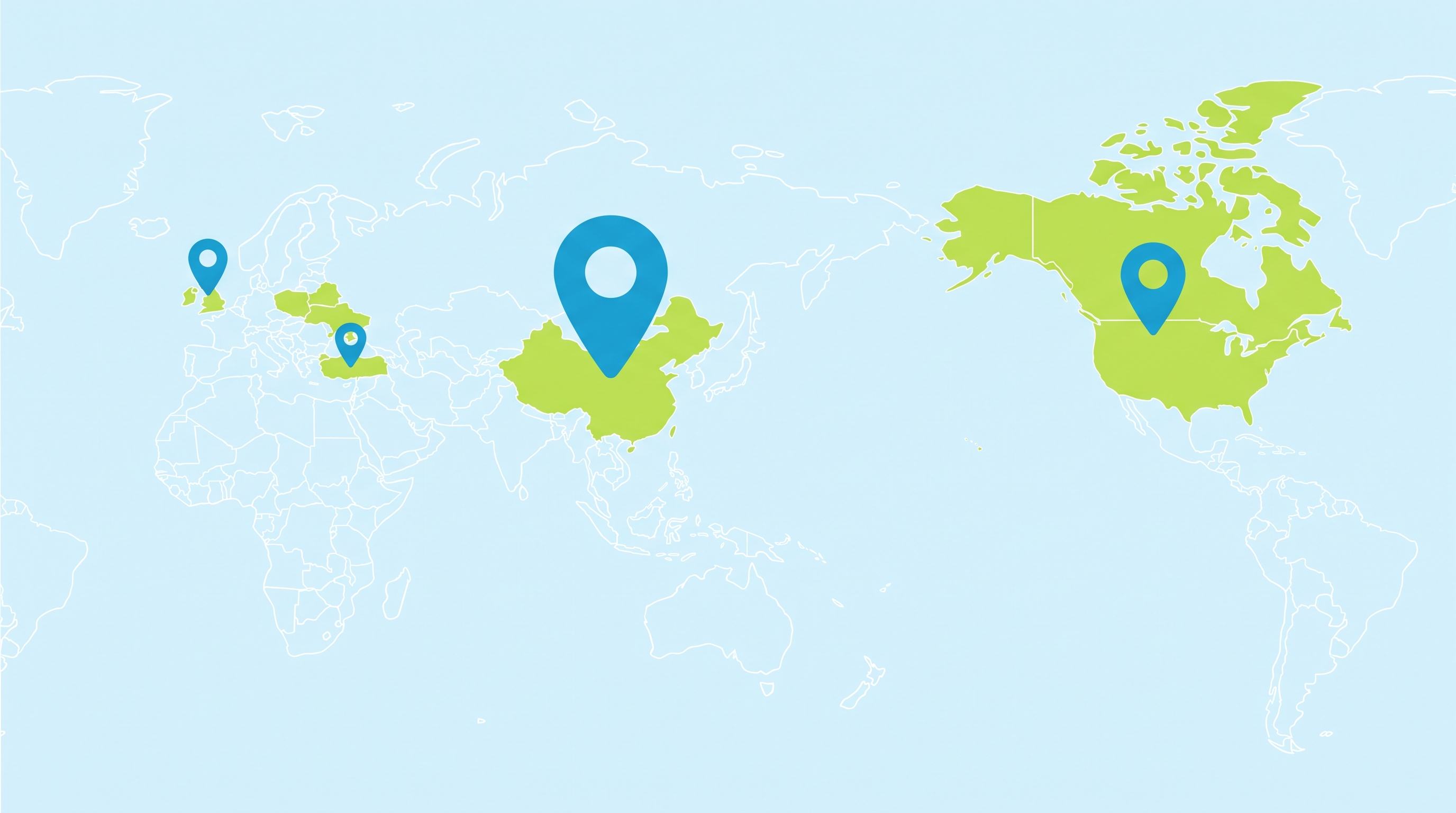
This guide covers the five most popular destinations for Uzbek students, South Korea, the UK, Russia, Turkey, and the US and EU, with the specific IELTS Academic band scores each one requires. You will also find an honest comparison of where most Uzbek candidates currently sit, relative to those thresholds, and practical guidance on how to close the distance between your current score and your target.
Why IELTS Academic Is the Gateway to Studying Abroad
IELTS Academic is the English language test required for degree-level admission at universities in every major destination Uzbek students target. Without a valid IELTS Academic score, your university application cannot be assessed, regardless of your secondary school grades or the strength of the rest of your application.
The test is jointly administered by IDP IELTS, the British Council, and Cambridge English, and is recognised by universities, governments, and professional bodies in over 140 countries. It covers Reading, Listening, Writing, and Speaking, each assessed against academic task types that reflect genuine university-level demands. Your IELTS score is valid for two years from the test date, so plan your sitting to fall within the application window of your target intake, not after it.
IELTS Requirements to Study in South Korea
South Korea is one of the most popular study-abroad destinations for students from Uzbekistan. The standard IELTS Academic requirement for undergraduate entry at English-taught programmes is 6.0. Seoul National University, South Korea’s highest-ranked institution, requires IELTS Academic 6.0 for international undergraduate applicants. KAIST (Korea Advanced Institute of Science and Technology) requires 6.5 for all programs. Yonsei University and Korea University typically set 6.0 for undergraduate and 6.5 for postgraduate entry.
One important distinction: Korean-language degree programmes at these universities do not require IELTS. If you are applying to an English-taught programme, the IELTS Academic requirement applies regardless of subject. Confirm with your target faculty whether the instruction language is English before assuming your IELTS score is not needed.

What UK Universities Expect from Your IELTS Score
UK universities set IELTS Academic requirements that vary considerably by institution and programme level. For undergraduate entry at most universities, 6.0 to 6.5 is the standard range. For postgraduate programmes at Russell Group institutions, such as the University of Manchester, King’s College London, or the University of Edinburgh, the threshold is typically 6.5 to 7.0. Specialist programmes in law, journalism, medicine, and teacher training often require 7.0 with minimum sub-score requirements in specific skills.
Students who require a UK Student Visa must also meet the UKVI IELTS requirements set by UK Visas and Immigration, which may be higher than the university’s own academic entry threshold. The British Council provides detailed guidance on English language requirements for study in the UK, including the visa requirements that apply alongside the academic ones.
One practical point: submit your IELTS result at least two months before the application deadline. IELTS results are valid for two years, so an expired score, or a result received after the deadline, will delay or end your application.
IELTS Score Requirements at Russian Universities
Russian universities offering English-taught degree programmes typically require IELTS Academic 6.5 at undergraduate level and 7.0 for postgraduate admission. Ural Federal University, one of the most established destinations for Central Asian students, sets 6.0 for international undergraduate programmes delivered in English.
Students considering Russia should verify access pathways carefully before committing to a preparation timeline. The geopolitical context since 2022 has disrupted some Russia-EU and Russia-UK student visa routes, and some Russian institutions have scaled back their international English-taught intake. Confirm directly with your target university that the programme is actively recruiting international students and that the visa process from Uzbekistan is currently functioning, before investing in IELTS preparation for this route.
Studying in Turkey: A Realistic First Step
Turkey is the most accessible study-abroad market for Uzbek students currently targeting a Band 5.5. Most English-taught programmes at Turkish universities accept IELTS Academic scores from 5.5 upward. Ozyegin University sets its English-language entry threshold at 5.5 for most faculties. Bahcesehir University requires an undergraduate minimum of 6.0 and a graduate minimum of 6.5.
For students whose practice-test scores currently sit at Band 5.5 and whose longer-term goal is a UK or Korean university, Turkey can serve as a practical intermediate step. You begin your degree at an internationally recognised institution while continuing to build toward the higher IELTS score that higher-threshold markets require. Turkey’s IELTS requirements are more accessible than those of Western destinations, which makes it a sensible starting point for students who want to begin studying abroad before reaching a Band 6.5.

IELTS Requirements at US and EU Universities
In the United States, IELTS Academic requirements span a wider range than most Uzbek students expect. Less selective institutions and community colleges often accept 6.0. Most state research universities set 6.5. Highly competitive institutions, including Ivy League and equivalent tiers, typically require 7.0 to 7.5, with some programmes imposing minimum sub-scores in Writing or Speaking independently of the overall band.
In the European Union, English-taught programmes are common across the Netherlands, Sweden, Germany, and Denmark. Most undergraduate and master’s programmes accept IELTS Academic 6.0 to 6.5. Competitive programmes in engineering, medicine, and law at leading institutions set the threshold at 6.5 or above. For specific country and university requirements, IDP IELTS publishes a detailed guide at ielts.idp.com that is updated each admissions cycle.
IELTS Academic or General Training: Which Version Universities Require
Every university degree programme worldwide requires IELTS Academic. IELTS General Training is used for secondary school exchange programmes, some work experience routes, and immigration applications. The two versions test different skills and produce scores that are not interchangeable for degree-level university admission.
If you register for General Training and submit that score with a degree application, the admissions office will not accept it. The error cannot be corrected after the test date. Before booking, confirm your test type is IELTS Academic in your booking confirmation. This is the single most common application mistake, and it is entirely preventable.
For students who are weighing up which English proficiency test to take before committing to a preparation plan, a plain comparison of the three main options is in this guide: IELTS vs TOEFL vs PTE: Which Test Should You Take?
How Typical Uzbek IELTS Scores Compare with University Thresholds
The IELTS requirements for Uzbek students study abroad range from 5.5 at Turkish universities to 7.5 at the most competitive US institutions. Most Uzbek candidates currently score in the 5.5 to 6.0 band, based on test statistics published at ielts.org. This places the majority within reach of Turkey and some Russian programmes but below the 6.5 threshold common in the UK and South Korea.
The Band 7 to 8 cohort from Uzbekistan grew 7.4 times between 2020 and 2024, which reflects the effect of sustained preparation effort. The distance is real, but it is closeable with a structured plan. A student currently scoring Band 5.5 who needs 6.5 for a UK master’s programme faces a realistic preparation timeline of four to six months, assuming consistent practice with feedback. Knowing this at the start of preparation, rather than at the application deadline, is what allows a student to plan realistically.
Understanding how each IELTS criterion contributes to your band score is a useful foundation before setting your target. This guide covers how the Writing module is evaluated criterion by criterion: Check your IELTS essay band score.
Common Mistakes When Preparing for a Study-Abroad IELTS Score

Four preparation mistakes appear consistently among Uzbek students approaching IELTS for university admission.
Registering for General Training instead of Academic is the most damaging because it cannot be undone after the test date. Check your booking confirmation before you sit.
Ignoring sub-score minimums is the second mistake. Many universities set a minimum score for Writing, typically 6.0, even when the overall band threshold is lower. A candidate who scores 6.5 overall but 5.5 in Writing will not satisfy a programme that requires Writing 6.0. Always check sub-score requirements for each programme individually, not only the overall band.
Treating the first sitting as the only attempt adds pressure that reliably reduces performance. Build a preparation plan that includes two or three sittings, with the first used as a diagnostic measure rather than a final attempt.
Practising without exam conditions is the fourth mistake. Reading about IELTS Speaking produces limited real-world improvement. Producing spoken responses under time pressure is how Speaking proficiency is actually built. To understand how band scores are distinguished at the Writing level, this comparison of what separates Band 7 from Band 6 is worth reading: Writing Band 7 vs Band 6 sample essays compared
How Long It Takes to Raise Your IELTS Band
Gaining 0.5 of a band score typically takes two to four months of consistent, structured practice for students in the Band 5.5 to 6.5 range. Students who produce output and receive specific feedback on individual responses improve faster than those who consume preparation materials passively without speaking or writing under real conditions.
For IELTS Speaking in particular, per-turn practice with instant scoring against the four official criteria, Fluency and Coherence, Lexical Resource, Grammatical Range and Accuracy, and Pronunciation, gives you the feedback loops that reading preparation guides cannot replicate. You now know what score your target university requires. The work from here is building the consistency to reach it, one practice response at a time.
Practise your IELTS Speaking with real feedback on every response. Speechful’s IELTS Speaking AI grader scores your Part 1, 2, and 3 answers against all four official criteria instantly, so you know exactly where to focus your preparation before the real test.